
Somewhere between “we should really have healthier snacks in the break room” and actually making it happen, most office managers hit the same wall: figuring out who to call, what it costs, and whether it’s actually worth the hassle. If you’re weighing office fruit and snack delivery for a Seattle-area team, this guide covers exactly how the service works, what’s typically included, and what makes it worth the investment.
What Is Office Fruit Delivery, and How Does It Actually Work?
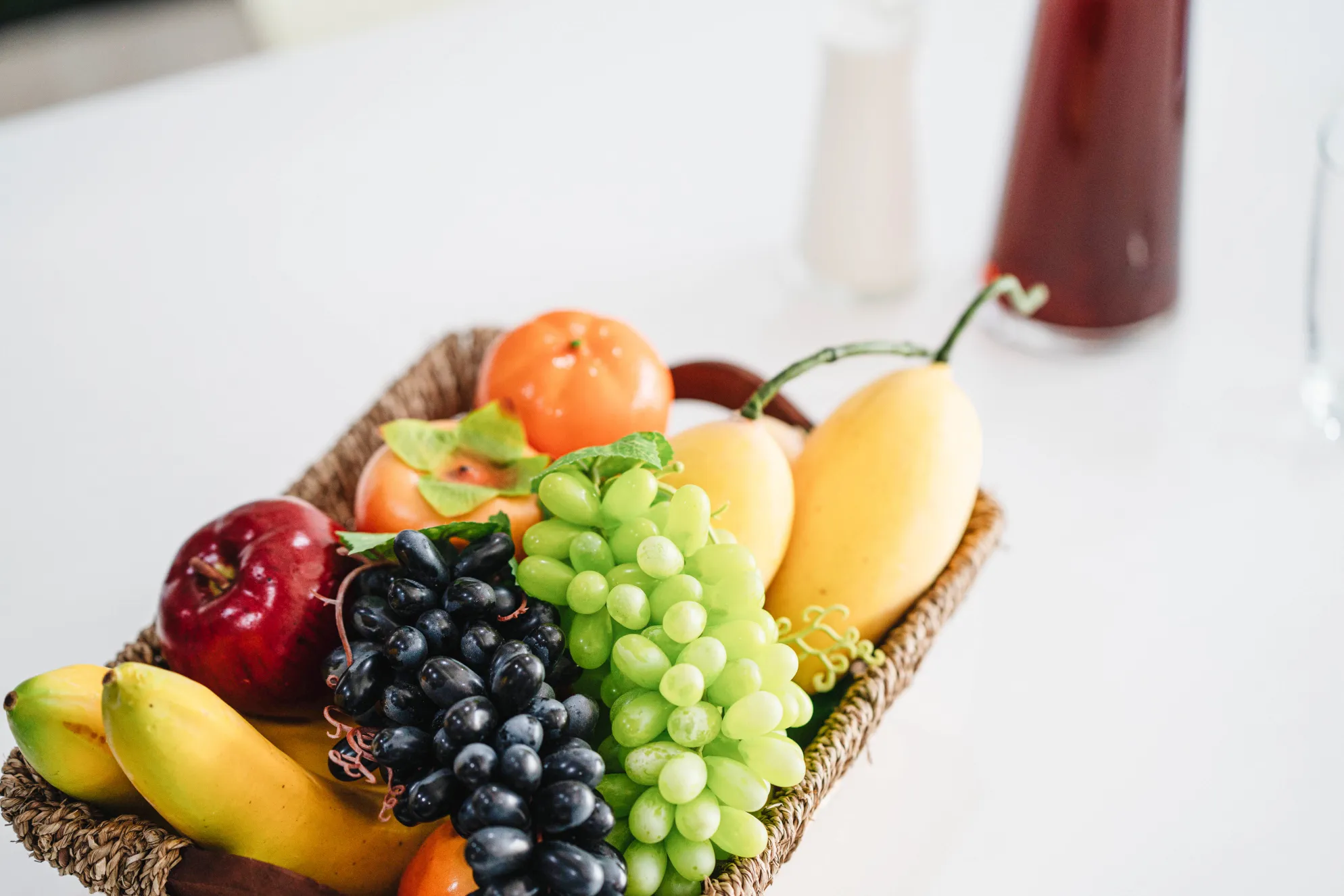
Office fruit delivery is a recurring service where fresh produce — and often a broader mix of healthy snacks — gets delivered directly to your workplace on a set schedule, usually weekly or biweekly. Instead of someone on your team making a Costco run every Monday, a delivery service handles sourcing, packing, and drop-off, so fresh fruit just shows up. Most providers, ThirdLeaf NW included, work on a subscription model: you pick a plan size based on your headcount, set a delivery day, and the box shows up on schedule without anyone having to reorder it manually. Many services — including ours — also offer add-on categories beyond fruit, like granola bars, nuts, and other grab-and-go snacks, so the program can grow into a fuller office snack program over time.
What’s Typically Included in an Office Fruit Delivery Service
Plans vary by provider, but a well-built office fruit delivery service usually includes:
- A curated seasonal fruit selection — apples, bananas, citrus, and seasonal specialties that rotate based on what’s actually in season in the Pacific Northwest
- Flexible portion sizing based on team headcount, so a 12-person office and a 150-person office aren’t getting the same box
- Consistent delivery scheduling, typically weekly, with the option to adjust for holidays or office closures
- Add-on snack categories for teams that want more than fruit — think trail mix, dried fruit, or protein bars
- No-commitment or month-to-month plans, which matter for companies that want to pilot the program before locking into anything longer-term
The best providers also build in some flexibility for dietary preferences and office size changes — a growing startup shouldn’t have to renegotiate their entire plan just because they hired five new people.
Who Office Fruit Delivery Actually Makes Sense For

Not every office needs the same setup, and it’s worth thinking about which category your team falls into before picking a plan:
Small offices (under 20 people). Usually the easiest decision — a modest weekly plan with a simple fruit selection covers most of the need, and the time saved versus a DIY grocery run is proportionally significant for a small team where everyone wears multiple hats.
Mid-size offices (20-100 people). This is where add-on snack categories tend to pay off, since a broader mix keeps the program interesting across a bigger, more varied group of employees with different tastes.
Larger offices or multi-location companies (100+ people). Consistency across locations becomes the priority — a provider who can standardize delivery scheduling and quality across multiple sites saves significant coordination overhead compared to managing separate vendors per office.
Hybrid or partially remote teams. Fruit delivery works best for teams with a meaningful in-office presence on a predictable schedule. Fully remote teams generally get more value from a flexible stipend than a physical delivery, which is worth factoring in before signing up.
Why Employers Choose Office Fruit Delivery Over a DIY Snack Run
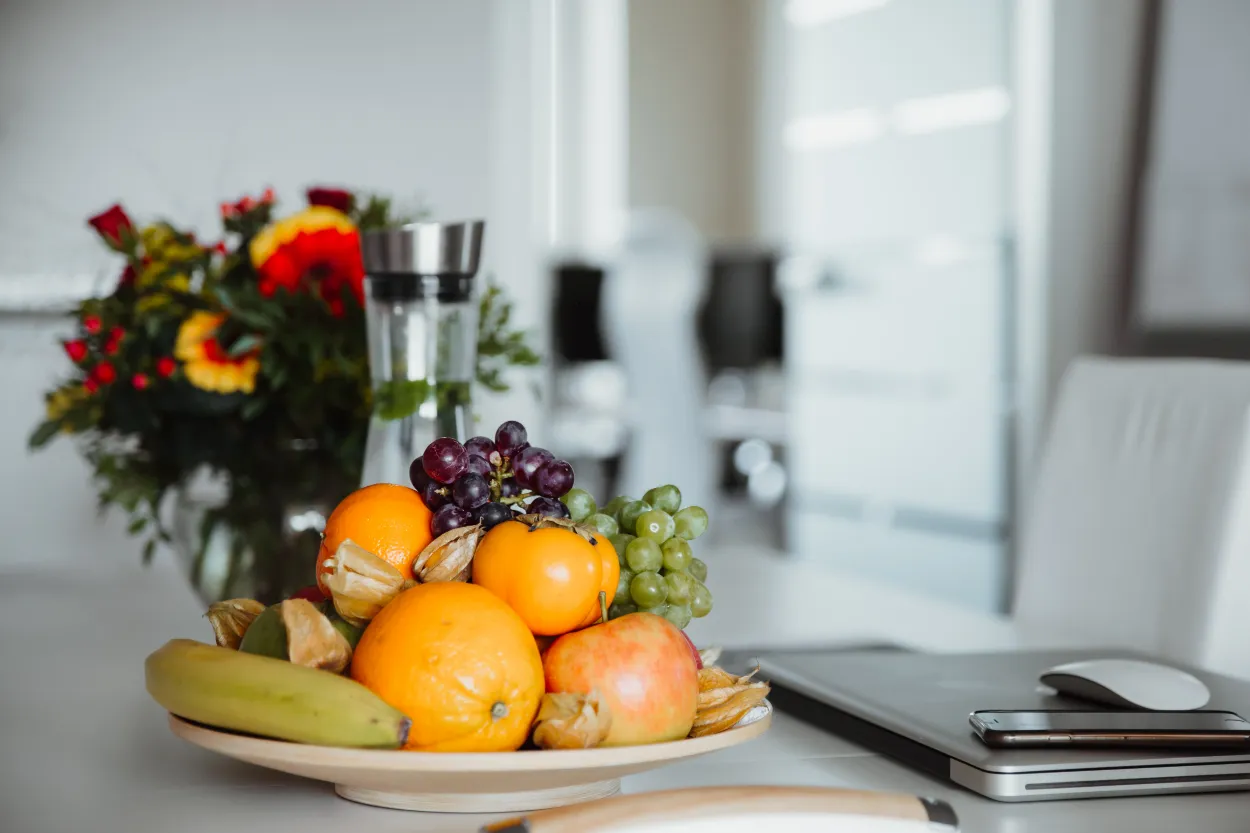
The DIY version of this — someone on the team doing a grocery run every week — sounds cheaper on paper, but it rarely works out that way once you account for the actual cost:
- Time. A weekly Costco or grocery run easily eats an hour of someone’s time, plus loading and unloading. At even a modest hourly rate, that adds up fast over a year.
- Consistency. DIY runs get skipped when someone’s out sick, on vacation, or slammed with other work — and the fruit bowl goes empty for a week or two before anyone notices.
- Freshness and waste. Bulk-buying without a system for rotation often means fruit going bad before it gets eaten, which is its own quiet cost.
- Variety. A single person doing the shopping tends to buy the same five things every week. A dedicated service builds in seasonal rotation without extra effort on your end.
For most offices, the math works out in favor of a dedicated service once you factor in the labor cost of doing it in-house — not just the sticker price of the produce itself.
Office Fruit Delivery vs. Vending Machines and Grocery Apps
It’s worth comparing fruit delivery against the other common alternatives directly, since each solves a slightly different problem:
Vending machines are always available and require no weekly coordination, but the selection skews heavily toward shelf-stable snacks rather than fresh produce, and per-item pricing is often less transparent than a flat weekly subscription.
Grocery delivery apps offer more flexibility in what gets ordered, but someone still has to place the order every week, manage the account, and handle substitutions — the coordination burden doesn’t disappear, it just moves online.
A dedicated office fruit and snack service sits in between: fresher and healthier than vending, but without the ongoing manual ordering that grocery apps still require. For most offices trying to build a consistent wellness perk without adding to someone’s task list, that combination is the deciding factor.
What to Ask Before You Sign Up
A few questions worth asking any provider before committing:
- What happens if we need to skip a week (holiday closures, office move, etc.)?
- Can the plan scale up or down as headcount changes, without a renegotiation process?
- Is there a minimum commitment, or can we start with a trial period?
- What’s the actual delivery day and time window, and is it consistent week to week?
- Who do we contact if something’s wrong with an order — a real person, or a support ticket queue?
These questions matter more than they seem. A lot of frustration with office snack programs comes down to inflexibility and poor communication, not the quality of the fruit itself.
Office Fruit Delivery Across Seattle and Eastern, WA

Delivery logistics look a little different depending on where your office sits. In Seattle proper — South Lake Union, downtown, Ballard, Fremont — delivery timing has to account for real traffic variability; a provider with local routing experience can work around that more reliably than a national service dropping in from out of state. For companies in Eastern, WA — Richland, Kennewick, Pasco — there’s a nice bit of local irony: that region sits right in the middle of Washington’s fruit-growing country, so an office fruit delivery service there is often sourcing from farms much closer to home than most people expect, meaning fresher produce with less time between harvest and delivery. Local sourcing isn’t just a marketing angle — it typically means fresher fruit with a shorter supply chain, which matters when the whole point of the program is quality your team actually wants to eat.
Making the Program Work Once It’s Running
Signing up is the easy part. A few things that separate offices where the program actually gets used from ones where the fruit sits untouched:
- Visible placement. A bowl on the kitchen counter gets used. A box left in a storage closet doesn’t.
- A quick internal announcement. Even a one-line Slack message when the delivery arrives boosts uptake noticeably.
- Occasional variety requests. Most providers, ThirdLeaf NW included, are happy to adjust the mix based on what your team actually eats versus what sits.
- Pairing it with an existing ritual. Offices that place the fruit delivery near the coffee station or in a shared kitchen people already visit daily tend to see higher and more consistent usage than a delivery tucked into an out-of-the-way corner.
Small operational choices like these tend to matter more than the specific size of the plan you choose.
If your office is ready to trade the weekly Costco run for a reliable, fresh, fully-managed delivery, ThirdLeaf NW serves teams across Seattle and Eastern, WA with flexible, no-hassle plans built around your headcount. Start with a free trial and see exactly what shows up before you commit to anything.
Frequently asked questions
How much fruit do I need to order for my office?
Most providers size plans by headcount, generally assuming a few pieces of fruit per employee per week, though appetite and office culture can shift that. A good provider will help you right-size the plan and adjust after the first few deliveries.
Can I switch from fruit-only to a broader snack plan later?
Yes, with most providers, including ThirdLeaf NW — plans are typically flexible enough to add snack categories as your program grows, without starting over from scratch.
What happens to unused fruit at the end of the week?
Right-sizing the plan to your team’s actual consumption is the best fix. Most offices find their ideal quantity within the first month by adjusting up or down based on what’s left over on delivery day.
Is office fruit delivery worth it for a small team?
Even small teams (10-20 people) often find it worthwhile once they account for the time cost of a DIY grocery run — the per-person cost is usually modest, and the consistency is hard to replicate manually.
How far in advance do I need to set up delivery?
Most providers can get a new account up and running within a week or two of signing up, though this varies by provider and region.
Can we customize the fruit selection for dietary needs or allergies?
Most providers can accommodate common requests — excluding specific fruits, adjusting ratios, or emphasizing certain items — though the level of customization varies, so it’s worth confirming during setup rather than assuming.
Do we need a dedicated fridge or storage space for deliveries?
Not necessarily. Most office fruit programs are designed to sit at room temperature in a bowl or basket for the week, though offices with the space sometimes choose to refrigerate certain items to extend freshness.